
For many families, wisdom teeth can feel like one more thing to think about during the teenage years. They do not always cause issues, but understanding how they are developing can help guide future decisions.
Many dentists recommend an assessment during those late teenage years, or earlier if wisdom teeth are beginning to emerge. At this stage, the roots may not yet be fully developed, which can influence the range of management options available if removal is eventually considered.
An early assessment can also help identify whether there is enough room for the wisdom teeth to come through properly or whether ongoing monitoring may be beneficial.
“I often encourage parents to arrange an assessment around age 18, even if there are no symptoms yet. It can be a helpful way to understand what’s developing and discuss options before decisions need to be made.”
— Dr Parnian Zareie, Dentist
What Happens During an Assessment?
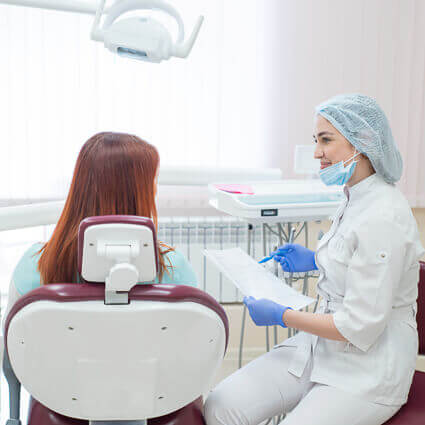
A wisdom teeth assessment at Serene Smiles Perth is straightforward and designed to provide information.
We’ll usually take X-rays and examine how the wisdom teeth are positioned. This allows us to evaluate factors such as available space, the direction of eruption, and whether any nearby teeth or tissues may be affected in the future.
Most importantly, the appointment is about understanding the situation. It does not mean treatment is required.
Why Early Evaluation Can Be Helpful
One of the benefits of assessing wisdom teeth during the late teenage years is that it allows concerns to be identified before symptoms appear.
Some wisdom teeth remain healthy and functional throughout life. Others may become difficult to clean, partially erupt through the gums, or affect neighbouring teeth. Identifying these patterns early gives patients and families time to consider their options and make informed decisions.
Age is one factor that may influence surgical planning and recovery considerations, which is why dentists often recommend assessment before significant problems develop.
Do They Definitely Need to Be Removed?
Not at all.
Some teenagers have enough room for their wisdom teeth to come through normally and function without causing issues. In these cases, monitoring may be all that’s needed.
The purpose of an assessment is not to automatically recommend removal. It’s to understand what’s happening beneath the gums and discuss the most appropriate next steps based on your teen’s individual situation.
Still Unsure About Your Teen’s Wisdom Teeth?
If you’re unsure whether your teen needs an assessment, we’re happy to talk through their situation and help you understand the next step.